
The Role of Precision in Scientific Research: A Deep Dive into Pharmaceutical Packaging
Pharmaceutical packaging is the specialized packaging used to protect medicines, supplements, medical formulations, and other healthcare products from contamination, moisture, light, leakage, and physical damage. In pharmaceutical applications, packaging must support product stability, dosage accuracy, tamper evidence, child resistance, regulatory compliance, and safe handling throughout the product’s lifecycle. Plastic pharmaceutical bottles, PET jars, child-resistant closures, induction liners, and custom packaging components are commonly used to meet these requirements. Vanjoin develops pharmaceutical packaging solutions designed to combine product protection, usability, safety, and manufacturing precision.
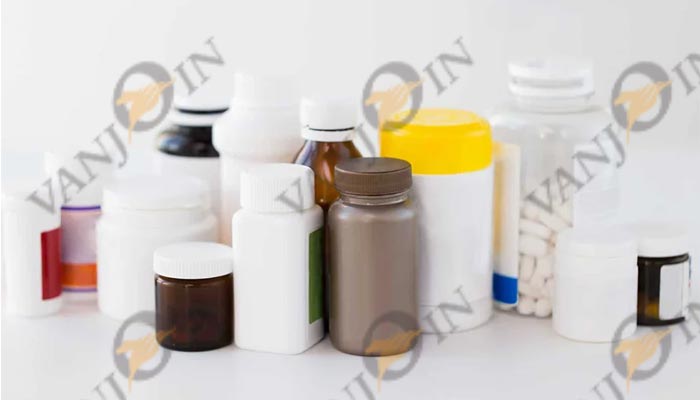
The Importance of Pharmaceutical Packaging in Research
Pharmaceutical packaging serves multiple pivotal roles – it protects products from contamination, ensures proper dosage, and maintains the product’s stability. In the sensitive and highly regulated pharma industry, packaging isn’t just a container but a key component of product identity. It must withstand various environmental factors like temperature changes, moisture, and light exposure, ensuring that the product inside remains unaffected and effective. Packaging materials and designs must, therefore, be meticulously selected and rigorously tested to meet these demands.
Key pharmaceutical packaging requirements include:
Product protection from moisture, oxygen, light, and contamination
Material compatibility with the formulation
Secure sealing and leakage prevention
Tamper-evident protection
Child-resistant closure options
Accurate dosage and dispensing support
Clear labeling and traceability
Durability during storage and transport
Compliance with relevant industry standards
Scalability for commercial production
Innovations in Pharmaceutical Packaging
The field of pharmaceutical packaging has seen significant innovations driven by evolving technology and regulatory requirements. Smart packaging, incorporating elements like RFID tags and tamper-evident seals, has enhanced the security and traceability of pharmaceutical products. Biodegradable and sustainable packaging options are also gaining traction, reflecting the industry’s growing environmental consciousness. The use of advanced materials like PET in Benefits of PET Plastic Bottles demonstrates the industry’s commitment to combining safety, sustainability, and efficiency in packaging solutions.
Custom Solutions for Diverse Industry Needs
The diverse nature of pharmaceutical products calls for equally diverse packaging solutions. Customized packaging addresses specific needs like light sensitivity, moisture control, and child resistance, ensuring that products remain safe and effective throughout their shelf life. The development of unique packaging solutions, as explored in Trends in Pharma Packaging Solutions, reflects our commitment to innovation. This includes advanced molding techniques and materials that offer enhanced protection and ease of use for various pharmaceutical formulations.
Working with an experienced pharmaceutical packaging manufacturer allows companies to match the packaging structure to the exact product requirements. This includes selecting the right plastic material, bottle or jar format, closure system, induction liner, child-resistant cap, and labeling area. For pharmaceutical and healthcare products, the packaging should not only protect the product but also support safe use, reliable production, efficient logistics, and clear brand presentation.
Ensuring Safety and Compliance
Adhering to strict safety and regulatory standards is a cornerstone of pharmaceutical packaging design. Packaging solutions must comply with international regulations and standards, ensuring they are safe for all users. Features like Child Resistant Caps not only protect children from accidental ingestion but also maintain the integrity of the product. Continuous testing and quality assurance processes are integral to developing packaging that meets these rigorous standards, ensuring the highest levels of safety and efficacy.
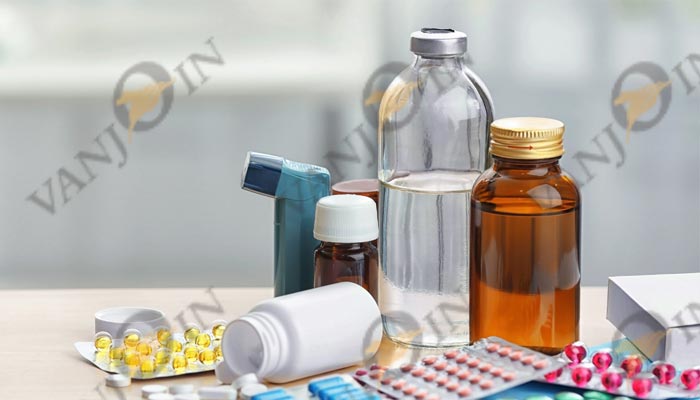
The Future of Pharmaceutical Packaging
The future of pharmaceutical packaging is poised for further innovation, with a focus on patient-centric design, sustainability, and technological integration. Anticipating and adapting to emerging trends, such as personalized medicine and increased regulatory scrutiny, will be key. The packaging industry must continue to invest in research and development to create solutions that are not only compliant with current standards but also future-proof against upcoming challenges and advancements in the pharmaceutical field.
The role of precision in pharmaceutical packaging is a critical aspect that directly impacts the success and reliability of scientific research and drug development. As we continue to explore and innovate in this field, our focus remains firmly on delivering packaging solutions that meet the highest standards of safety, efficiency, and sustainability. The commitment to excellence in pharmaceutical packaging is not just a business objective; it’s a pledge to support the health and well-being of end-users worldwide.
Looking for pharmaceutical packaging solutions for bottles, jars, caps, liners, or custom molded components? Vanjoin develops plastic packaging solutions for pharmaceutical, healthcare, supplement, and medical product applications. Contact our team to discuss your product requirements and choose the right packaging system for safe, reliable, and scalable production.
FAQ on pharmaceutical packaging
What is pharmaceutical packaging?
Pharmaceutical packaging refers to the containers, closures, liners, and protective systems used to store, protect, transport, and dispense pharmaceutical products. It helps maintain product safety, stability, quality, and usability from production to final use.
Why is packaging important in the pharmaceutical industry?
Packaging is critical in the pharmaceutical industry because it protects products from contamination, moisture, light, oxygen, leakage, and physical damage. It also supports correct dosage, tamper evidence, traceability, regulatory compliance, and safe handling by patients or medical professionals.
What materials are used for pharmaceutical packaging?
Common materials include PET, HDPE, PP, glass, aluminum, and specialized barrier materials. Plastic materials such as PET and HDPE are widely used because they can offer durability, lightweight handling, design flexibility, and compatibility with different closures and sealing systems.
What types of plastic packaging are used for pharmaceutical products?
Plastic pharmaceutical packaging can include bottles, jars, caps, child-resistant closures, induction liners, dosing components, custom molded parts, and containers for tablets, capsules, powders, liquids, supplements, and medical products.
What is the role of child-resistant caps in pharmaceutical packaging?
Child-resistant caps are designed to reduce the risk of accidental opening by children while still allowing adults to access the product. They are especially important for medicines, supplements, and products that may be harmful if accidentally ingested.
What is the role of child-resistant caps in pharmaceutical packaging?
Child-resistant caps are designed to reduce the risk of accidental opening by children while still allowing adults to access the product. They are especially important for medicines, supplements, and products that may be harmful if accidentally ingested.
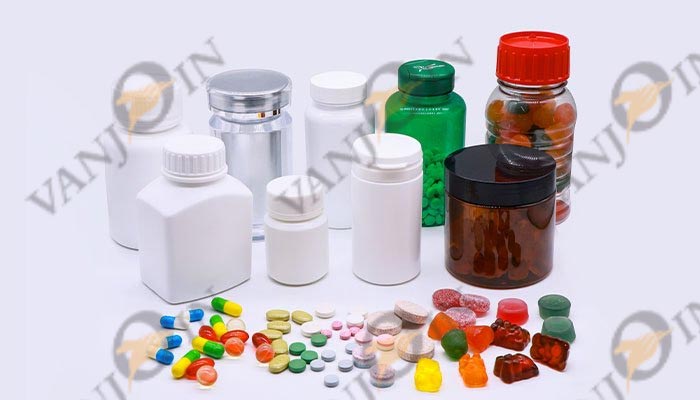
How does pharmaceutical packaging help maintain product stability?
Pharmaceutical packaging helps maintain stability by protecting the product from external factors such as moisture, oxygen, light, temperature changes, and contamination. The right combination of container, closure, liner, and material can help preserve the product’s quality throughout its shelf life.
What is tamper-evident pharmaceutical packaging?
Tamper-evident packaging includes features that show whether a product has been opened or altered before use. Examples include induction liners, seals, shrink bands, and closure systems that provide visible evidence of opening.
Can pharmaceutical packaging be customized?
Yes. Pharmaceutical packaging can be customized according to product type, dosage form, material requirements, bottle size, closure type, barrier needs, labeling area, child-resistance requirements, and manufacturing process.
Can pharmaceutical packaging be customized?
Yes. Pharmaceutical packaging can be customized according to product type, dosage form, material requirements, bottle size, closure type, barrier needs, labeling area, child-resistance requirements, and manufacturing process.
What should companies consider when choosing pharmaceutical packaging?
Companies should consider product sensitivity, material compatibility, moisture protection, oxygen barrier needs, light exposure, dosage requirements, cap and closure type, regulatory expectations, filling process, shelf life, and user safety.
Does Vanjoin develop custom pharmaceutical packaging?
Yes. Vanjoin develops and manufactures plastic packaging solutions for pharmaceutical and healthcare applications, including bottles, jars, closures, caps, liners, and custom packaging components designed according to specific product and production requirements.
Does Vanjoin develop custom pharmaceutical packaging?
Related Information